Orchid Embroidery Design Review
The Orchid embroidery design is a versatile and visually appealing option for craft fair sellers, handmade shop owners, and Etsy sellers looking to add floral elegance to their product line. With its lovely details and beautiful stitch-out, this machine embroidery design has the potential to stand out in a variety of applications.
First Impression of Orchid
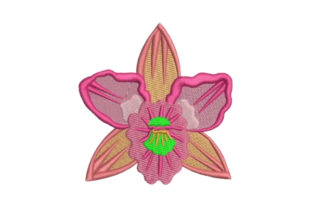
Orchid exudes a sense of elegance and softness. It feels like a premium design that could easily be mistaken for a high-end custom embroidery piece. The delicate lines and intricate petals suggest a modern yet timeless aesthetic, making it suitable for both farmhouse and contemporary settings. Its visual appeal makes it an excellent choice for customers who appreciate fine craftsmanship and artistic detail.
Orchid on Different Products
When considering where Orchid would shine, tote bags, aprons, and tea towels are natural fits. As a tote bag design, Orchid adds a touch of sophistication without being overwhelming. On apron embroidery, it can serve as a focal point that draws attention and enhances the overall look of the product. For tea towel embroidery, the design offers a decorative element that elevates the kitchen or home décor offerings.
Embroidered patches with Orchid can be used as accents on jackets, backpacks, or even as standalone items. Fabric pouches and pillow covers featuring this design will add a unique, handmade quality that appeals to buyers seeking one-of-a-kind items. Market bags with Orchid can attract attention at a craft fair booth, especially when paired with other floral or nature-themed designs.
Practical Selling and Production Points
Orchid is easy to recognize at a glance, which is essential for attracting customer attention in a busy craft fair setting. It works well as a small accent or a large focal design, depending on the product size and fabric type. When photographed for online listings, the design maintains clarity and detail, which is crucial for Etsy sellers and digital sellers aiming to showcase their products effectively.
As a commercial embroidery design, Orchid is repeatable for batch production, making it a practical choice for small shop products. However, it’s important to consider stitch density and how the design translates across different fabric textures. Thick fabrics or textured towels may require adjustments to ensure the design remains clear and legible.
Careful-Use Notes
Orchid contains dense stitch areas that may require extra stabilizer to prevent puckering or distortion. Tiny details might be challenging to execute on curved surfaces like caps, so testing on scrap fabric is recommended before full production. Dark fabric backgrounds could affect the visibility of certain thread colors, so choosing the right contrast is key.
Small lettering or text elements within the design should be reviewed for legibility at smaller sizes. If Orchid is intended for use on printed mockups or printable mockup templates, ensuring the design scales well is essential for accurate representation in marketing materials.
Impact on Visual Appeal and Customer Engagement
Orchid has the potential to significantly enhance the visual appeal of any product it's applied to. Its elegant design can make a handmade product feel more valuable, especially when paired with high-quality fabric and stitching. For a craft fair booth, Orchid can strengthen the display by offering a cohesive and attractive design theme that aligns with brand consistency.
As a buyer engagement tool, Orchid can draw customers in with its beauty and intricacy. It encourages closer inspection and conversation, which is ideal for boutique makers and creative entrepreneurs looking to build connections with their audience. Whether used as a booth sample or part of an Etsy listing, Orchid adds a layer of artistry that resonates with handmade product buyers.
Embroidery Designer Notes
Before finalizing Orchid as a craft fair product, it's advisable to test the design on various fabrics to see how it performs. Checking thread colors against different fabric backgrounds ensures the design stands out as intended. Reviewing the spacing and hoop size will help determine if the design is suitable for your embroidery machine and production workflow.
Inspecting the stitch density is crucial for maintaining the quality of the finished product. Using the right stabilizer for each fabric type will prevent issues during stitching. Creating at least one real mockup allows you to see how Orchid looks in practice, which is invaluable for making adjustments before mass production.
Comparing fabric colors and confirming commercial licensing are also essential steps. Ensuring that the embroidery file is compatible with your equipment and that you have the proper rights to sell the design as a finished product will save time and avoid legal complications down the line.
Conclusion
Orchid is a strong contender for any embroidery business looking to expand their product range with a floral design that blends elegance and versatility. Whether used on tote bags, aprons, or embroidered patches, it offers a premium look that can elevate the value of handmade products. By following best practices in production and presentation, Orchid can become a standout item at craft fairs, Etsy shops, and commercial embroidery projects.